
A Partner in Safety & Security
Lifetouch is your partner in ensuring student safety, data, and financial security, backed by protective commitments and services.
Our Commitment to Data Security
Backed by Independent Audits: SOC 2 + SOC 3 Compliant
Lifetouch’s SOC 2 and SOC 3 compliance means our security controls are independently reviewed and validated over time—helping protect student and customer data from unauthorized access and misuse.
Trusted, Screened Professionals
End-to-End Image Protection
Printed with Care—Never Outsourced
Lifetouch’s Privacy Pledge
Lifetouch was the first school photography company to keep school data safe by signing a voluntary, enforceable privacy pledge.
Equipment and processes designed with student safety in mind
The best image, data and privacy practices in the industry
Payment sites meet industry’s strict standards for use of financial information
Background checks on all employees who work in your school
How Lifetouch Protects Your Child’s Images
Photos Are Protected for Families and Schools
Images are securely managed and shared only with authorized recipients, including your child’s school and your family.
Strict Data Privacy Standards
We follow all federal, state, and local privacy laws, including FERPA, to help ensure student information is handled responsibly.
No Third-Party Sharing of Images
Lifetouch does not share or provide student images to third parties, and images are only used to support school services and families.
Secure Systems and Access Controls
Our systems are designed to protect images and data with secure storage, encryption, and limited access to authorized users.
How We Protect Your Child’s Photo & Information
Your child’s privacy matters. We know you’re trusting us with something important—here’s how we protect your child’s photo and information.
Used Only for Your Child's Photos
We use limited student information only to match and deliver photos to the right family. Your school—not outside companies—determines how photos are used.
Your Child's Data Stays Private
We do not sell student photos or personal information. Access is limited to authorized individuals who need it to provide photography services.
Parents Stay in Control
Parents can opt out or work through their school for requests. Student data is securely deleted when it’s no longer needed or upon your request.
Protected and Securely Handled
We follow federal and state student privacy laws, including FERPA. We use secure systems and processes to protect data across our teams and technology.
Frequently Asked Questions
What Does Lifetouch Do with My Data?
Lifetouch securely disposes of school data when it is no longer needed. School Data is securely destroyed on demand by the school, or in the ordinary course of business when no longer needed to provide school services. Families who purchase products or services from Lifetouch will still have access to their images.
Can Anyone Outside of My Child’s School See Their Photos or Data?
How Is My Child’s Data Protected From Breaches or Unauthorized Access?
Lifetouch uses a combination of physical, technical, and organizational safeguards to protect school data. These protections include secure systems, controlled access, and enterprise-wide security policies.
In addition, employees who handle student data receive privacy and security training, and dedicated privacy and information security teams oversee compliance and protection efforts.
Who Has Access to My Child’s Photos and Personal Data?
Access to student photos and data is limited to authorized individuals and organizations with a legitimate role, such as your child’s school or trusted partners who help us provide services.
Lifetouch carefully controls access so only those who need the information to fulfill school and family services can use it.
Data Privacy
Lifetouch complies with all applicable federal, state, and local data security and privacy requirements, and maintains rigorous safeguards to protect the information entrusted to us.
As a service provider delivering staff and student photography services to schools nationwide, Lifetouch upholds its obligations under the federal Family Educational Rights and Privacy Act (FERPA), as well as all relevant state privacy and data protection laws practices.
Safety and Security Checklist for School Photography
When selecting a school photography provider, knowing what matters most can make all the difference. This checklist highlights the essential standards every partner should meet—so schools and families can choose with confidence.
These are the same standards we are proud to upload every day.
The Only School Photography Provider with SOC 3 Compliance
Lifetouch has achieved SOC 3 compliance, an independent validation of the security measures we use to help safeguard customer and student information. Supported by ongoing SOC 2 assessments, this certification reflects our continued commitment to keeping data protected across our photography and ordering platforms.
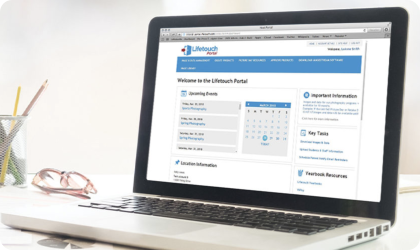
Lifetouch Portal
The Lifetouch Portal offers a safe, secure way to manage your school’s Picture Day images. Eliminate the risk of sending data via email, jump drives, and CDs/DVDs to get your images into your Student Information Systems and yearbook.
Even better! With the Lifetouch Portal you can download images for certificates, photo directories, awards, and more.
Trusted Employees
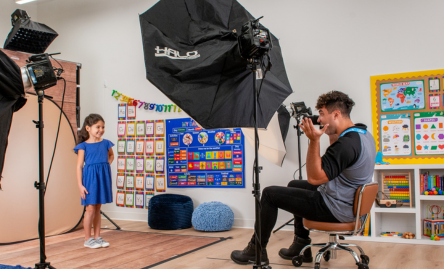
All of our photographers are Lifetouch employees and are required to pass a background check before they are authorized to work in a school or academic facility. We take extra steps to ensure the screening process complies with state and local requirements.
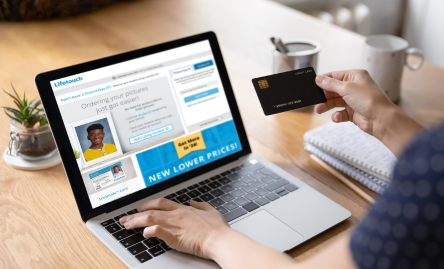
Secure Online Ordering
Our website makes ordering school pictures faster, easier, and more secure. Users can only access and view images specific to their student. These security measures ensure a safe experience when interacting with Lifetouch online.
Additionally, Lifetouch is annually certified to meet strict credit card security standards, so parents can feel confident their payment information is protected.
Safety and Security Checklist for School Photography
Choosing a school photography partner isn’t just about Picture Day — it’s about protecting your students andcommunity. From data privacy to photographer vetting, your vendor
Privacy, Trust, and the Road Ahead: An Education Week Conversation with Lifetouch CEO Ken Murphy
For nearly a century, Lifetouch has been committed to supporting schools and the communities we serve, continuously evolving our products, services and security practices to
Lifetouch Earns SOC 3 Compliance: Protecting Your Family’s Information
At Lifetouch, we know school pictures are about more than photos—they’re about memories, milestones, and trust. When families place orders online or access their child’s portraits, they trust
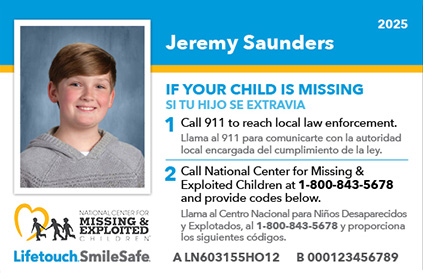
SmileSafe® Safety Cards
For more than 15 years, Lifetouch has partnered with the National Center for Missing & Exploited Children (NCMEC) in the U.S. and the Canadian Centre for Child Protection (CCCP).